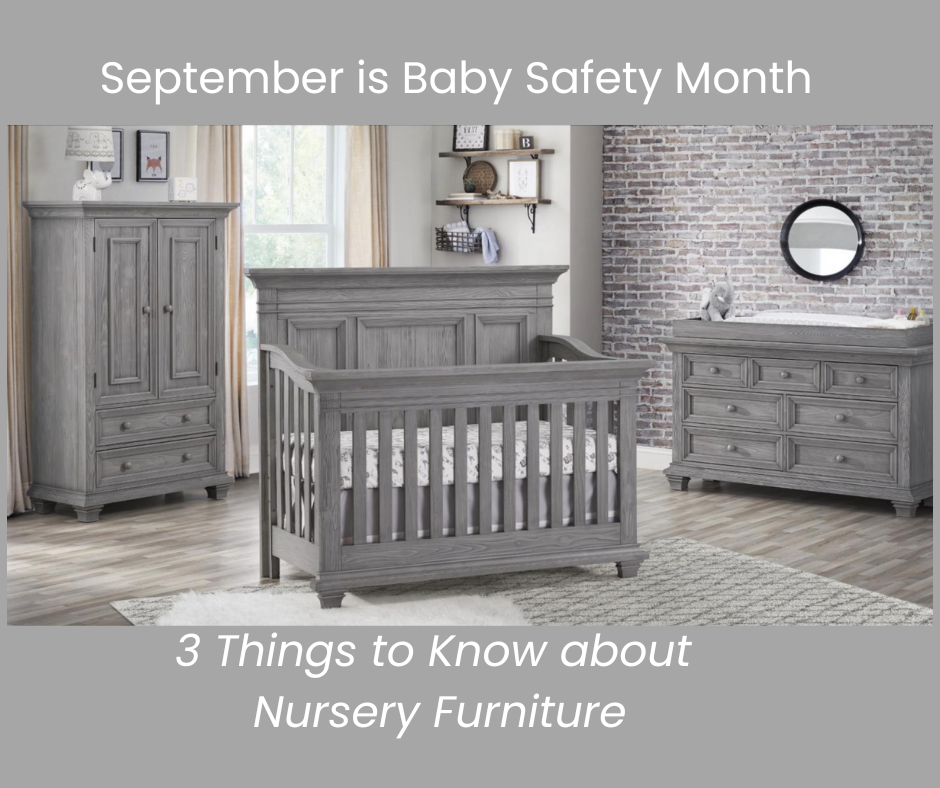

September is Baby Safety Month! While parents typically focus on baby gear like car seats and strollers, it’s also vital to be sure furniture and nursery items are safely made, tested and installed. Bookmark these 3 Things to Know about Nursery Furniture.
1. You Don’t Have to Give Up Style for Safety
Companies such as Oxford Baby & Kids specialize in creative design, but their main focus is safe furniture that grows with the child, transitioning from cribs to toddler beds, daybeds, and full-size beds. Continuity of safety through all of these transitions is not only practical but gives parents peace of mind.
2. How a Product is Made is Just as Important as How It’s Used
While there are plenty of guidelines and certifications regarding infant sleep products, parents should know that products are put on the market every day that do not follow these guidelines. These products are eventually recalled, but many are sold before they can be pulled off of store shelves and large online storefronts.
With nursery furniture, look for cribs that are GREENGUARD Gold Certified, ensuring that your nursery is a healthy space for your little one. This Certification means the furniture has:
Screened for 10,000 chemical compounds and VOC’s
Rigorously Tested & Approved
Cleaner Indoor Air
Promotes healthier breathing environment
3. Installation Matters, Anchor All Furniture!
Anchor all furniture and heavy items to the walls to make sure they don’t tip over. Anchor these items before baby arrives, because we just don’t know the exact age or date babies will begin pulling themselves up or grabbing at heavy items. Be sure to anchor into wall studs.
The last thing to remember about furniture and baby safety is safe sleep. Babies should always be placed in the crib alone on a firm, flat mattress with a fitted sheet. There should be no stuffed animals or other items in the crib. American Academy of Pediatrics guidelines show you how.
This blog was written with the help of our friends and 25 year industry veterans, M Design Village
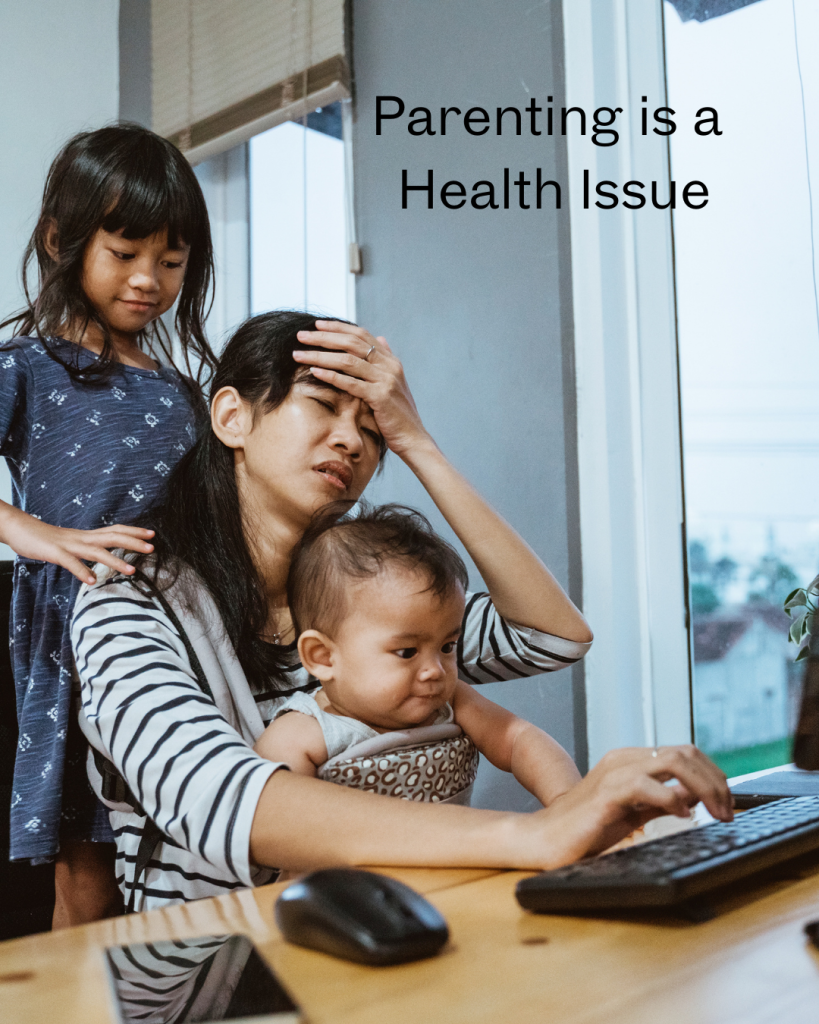
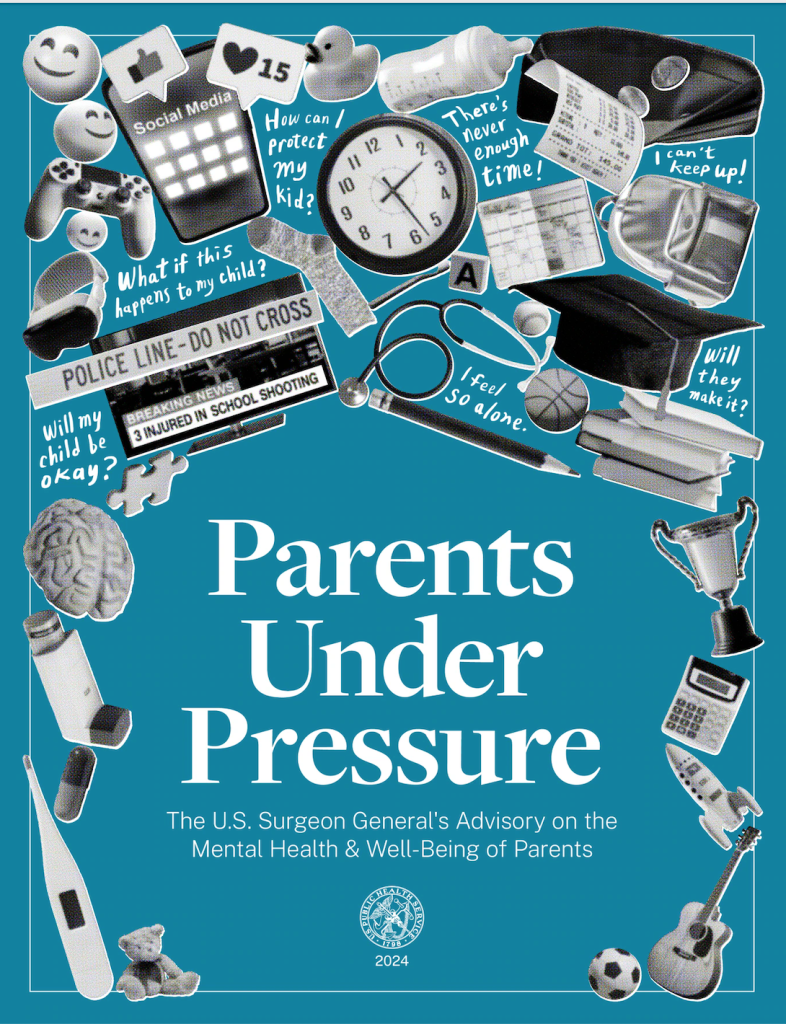
In 2024, the Surgeon General issued a warning that parenting is a health issue and it sounded like a turning point. Finally, the government acknowledged what parents live every day. But here we are over a year later and little has changed. No new advisories, no sweeping legislation and federal family leave remains unpaid. A few states have expanded their programs, but the reality is most of us are still on our own.
Meanwhile, studies show maternal mental health has dropped sharply, one in three families are still dealing with post-pandemic stress, and nearly 30% of parents in the State of Parenting 2025 survey admitted they’d considered self-harm because the pressure feels unbearable. The system hasn’t caught up, so it’s up to us to protect our health.
That doesn’t mean “self-care” in the Instagram sense, it means doing the things research shows actually work:
Building a small but reliable support network—neighbors, a parent group, or even one trusted friend—helps buffer against burnout.
Protecting your sleep and taking real recovery time, whether that’s a nap, a walk, or even zoning out with a hobby, has been shown to make us more patient and nurturing with our kids.
If you have a partner, getting clear about roles and responsibilities.
These strategies aren’t flashy, but they’re evidence-based and they work. Until policy catches up, the best thing we can do is take our own health seriously and try to put real supports in place.
Parenting is a Health Issue: Quick Stats
In 2023, 33% of parents reported high levels of stress in the past month compared to 20% of other adults.
41% of parents say that most days they are so stressed they cannot function
66% of parents report feeling consumed by worries regarding money compared to 39% of other adults in 2023.
U.S. Surgeon General Dr. Vivek Murthy whose also a Dad of 2 notes that parents experience unique pressures as shown in the numbers above. Stressors related to raising children, such as financial strain, time demands, concerns about children’s health and safety, isolation, and challenges with technology and social media are very real.
Additionally, some parents and caregivers are disproportionately affected by mental health conditions, especially those dealing with family or community violence, poverty, or discrimination. Supporting parents is crucial for the well-being of both children and society, and requires policy changes and expanded community programs to provide paid leave, affordable childcare, and other essential resources.
We know the problem, what’s the Answer?
In response to these pressures, the Surgeon General’s Advisory urges a cultural, policy, and programmatic shift to support the well-being of parents and caregivers. It emphasizes the need to change societal norms to value and empower them, addressing the stressors impacting their mental health. This means:
companies expanding paid family leave
improving early childhood education
investing in mental health care and access
providing recommendations for governments, employers, and communities to reduce stress and better support parents and caregivers
Achieving each of these 4 goals will be an ongoing effort within our communities, health systems and the private sector. For now the Advisory serves as a call to action. As the website states, Surgeon General’s Advisories are public statements that call the American people’s attention to a critical public health issue.
Like many in the maternal health sector, Let Mommy Sleep continues to advocate for new parents and their health. Our 501c3 Mission Sleep provides free newborn care to parents whose partners are deployed, wounded or deceased. We will also continue to strive for sensible health insurance and postpartum visits. In the meantime these resources might be a help your family:
Crisis Text Line for mental health support: text BRAVE to 741741
Medicaid’s Paid Caregiver Program: If someone with a disability already receives Medicaid, their state may allow a family member or friend to become a paid caregiver.
Temporary Assistance for Needy Families (TANF) – Monthly cash assistance payments to low-income families with children, as well as additional services.
For a deeper analysis of the newborn care landscape read The State of Newborn Care in the United States, a policy paper written byt the founder of Let Mommy Sleep, Denise Iacona Stern.
The National NAPS Registry for Night Doulas is a national credentialing and verification system for overnight newborn care providers. Parents can use it to verify a caregiver’s training and background. Caregivers can use it to demonstrate accountability and a commitment to evidence-based practice in an otherwise unregulated industry.
To elevate infant caregivers, and ensure they have access to evidence-based safety and newborn care training, we created the National NAPS Registry for Night Doulas, a credentialing and verification system for qualified overnight doulas and newborn and postpartum caregivers.
What are Night Nannies, Postpartum Doulas and Newborn Care Specialists?
To understand what a night nanny or other postpartum provider does, we first need to define the overlapping but distinct roles of postpartum doula, night nanny, and newborn care specialist (NCS). While titles vary, all of these professionals assist families in the weeks after a baby is born. Their core job is to combine hands-on infant care with parent support. To understand the broader role these caregivers play, see our full guide: What’s a Night Nanny?.
Typical responsibilities include:
Diapering, feeding, soothing, and swaddling the newborn (or multiples).
Light household tasks directly related to the baby (bottle prep, pump part cleaning, organizing baby’s space).
Breastfeeding support and recovery care for the birth mother and partner.
Family support such as meal prep and sibling care (often part of a postpartum doula’s role).
It’s important to know these titles are not legally protected. Outside of licensed daycare centers or registered nursing care, newborn care providers are not governed by standardized regulations. That means anyone can call themselves a postpartum doula or newborn care specialist. While many are highly skilled, training and credentials can vary widely. For families, this makes verification and transparency essential showing a need for the NAPS Registry for Night Doulas.
What is the National NAPS Registry for Night Doulas?
Licensed professionals such as RNs are accountable to their state Board of Nursing. Until now, overnight newborn care providers had no equivalent system of accountability.
The Newborn and Postpartum Support (NAPS) Registry was created to fill that gap. It is:
A national database that verifies education, training, and evidence-based practice for overnight caregivers.
A public listing of individuals who have successfully completed the Night Doula Certificate curriculum.
A quality assurance tool for families, employers and benefit providers who want verified, consistent standards of care.
Parents and employers can verify a caregiver’s credentials directly on the NAPS Registry for Night Doulas. While the Registry emphasizes overnight caregivers, postpartum doulas who work daytime shifts can also be included. The NAPS Curriculum is based on the government-award winning contract Let Mommy Sleep held from 2015-2021, ending during covid. Further, it is approved and overseen by a third-party Advisory Board of clinicians and subject matter experts.
What training does the Night Doula Certificate include?
Caregivers listed on the NAPS Registry have completed coursework and verifications that meet national best practices in newborn and postpartum care, including:
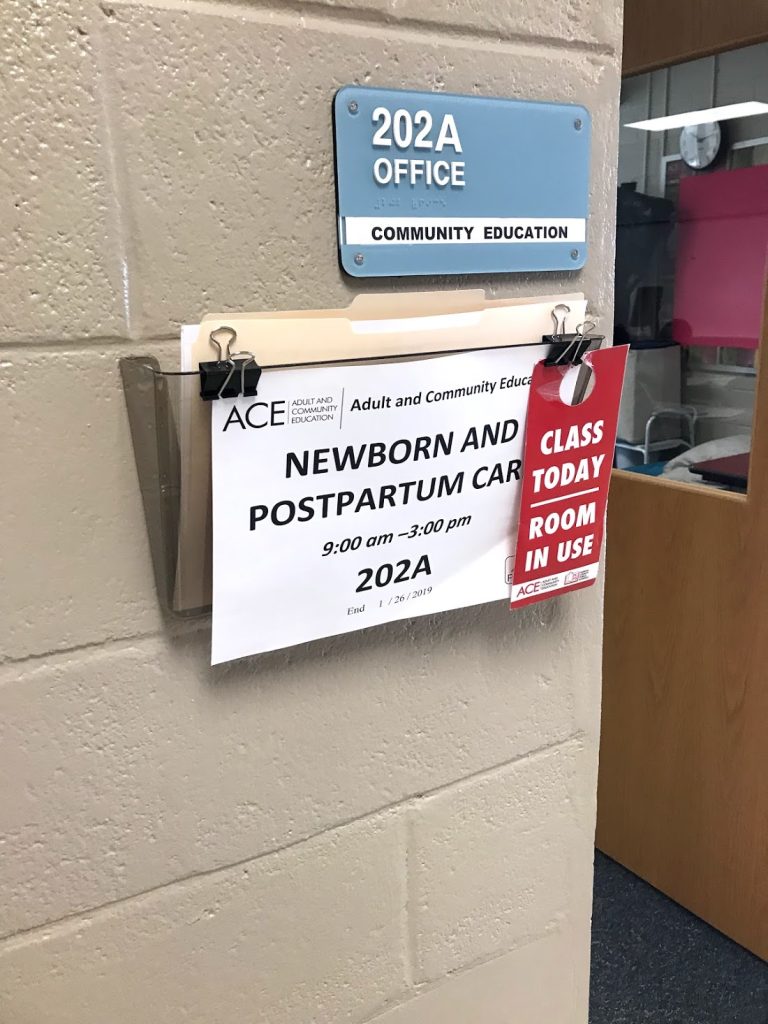
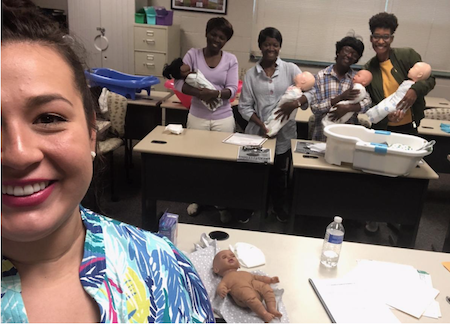
Newborn & Postpartum Care (core curriculum)
Breastfeeding Basics
Cribs for Kids® Safe Sleep Course
Bereavement Doula Training
Vaccine Attestation
Attestation of Age & Caregiving Experience
Infant CPR & First Aid Certification
Current Background Check
This curriculum ensures that every caregiver on the Registry has both knowledge and accountability, allowing them to provide safe and consistent overnight baby care. You can find all of the classes and continuing education, on NewbornCareCertified.com, the educational division of Let Mommy Sleep, LLC
What the NAPS Registry is Not
The Newborn and Postpartum Support coursework does not include the study of labor and delivery. Therefore this certificate is not appropriate if you’re an aspiring labor doula or someone who wishes to attend births as professional support staff.
Why the NAPS Registry for Night Doulas Matters
Currently, the newborn care, night nanny, and postpartum doula industry in the U.S. is completely unregulated. There’s no state or federal oversight for in-home caregivers responsible for fewer than four children at a time. The NAPS Registry was formed to fill that gap by providing:
Evidence-based education – bringing consistency and professionalism to in-home newborn care.
Standards of care and transparency – every NAPS Night Doula is trained to the same high standards.
Peace of mind for families – parents know their caregiver is educated in safe, up-to-date practices and maintains current CPR, vaccination, and background checks.
Employer verification – employee benefit programs can easily confirm caregiver credentials. For example, HR reps can easily confirm eligibility with the online Night Doula registry.
And for families who don’t have access to corporate benefits, the Registry is still accessible and there are flexible ways to cover the cost of care, including payment plans and baby registries. Learn more about financing night nanny and night doula care here.
The future of newborn and postpartum care
By creating the National NAPS Registry, we’re setting a new standard for accountability and professionalism in an industry that touches families at their most vulnerable time. Families deserve safe, consistent, evidence-based support and newborn and postpartum caregivers deserve recognition for their specialized skills.
The NAPS Registry is how we bring both sides together. If you’re a night doula or postpartum nurse who would like to join our team, you can apply here. If you’re a family looking for verified overnight newborn care, every Let Mommy Sleep caregiver is NAPS certified. Parents can also take online classes if they wish, including our free sleep training class.
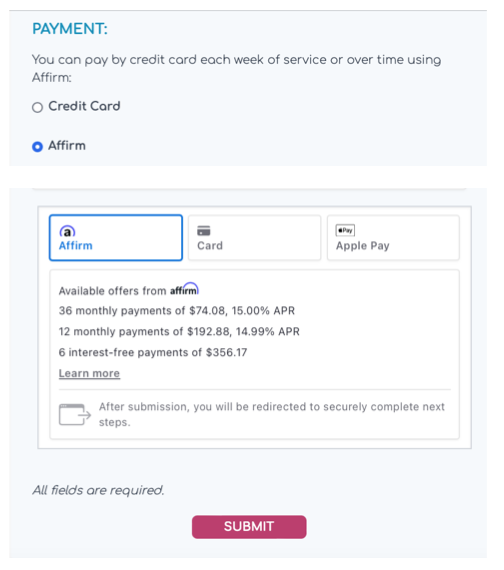
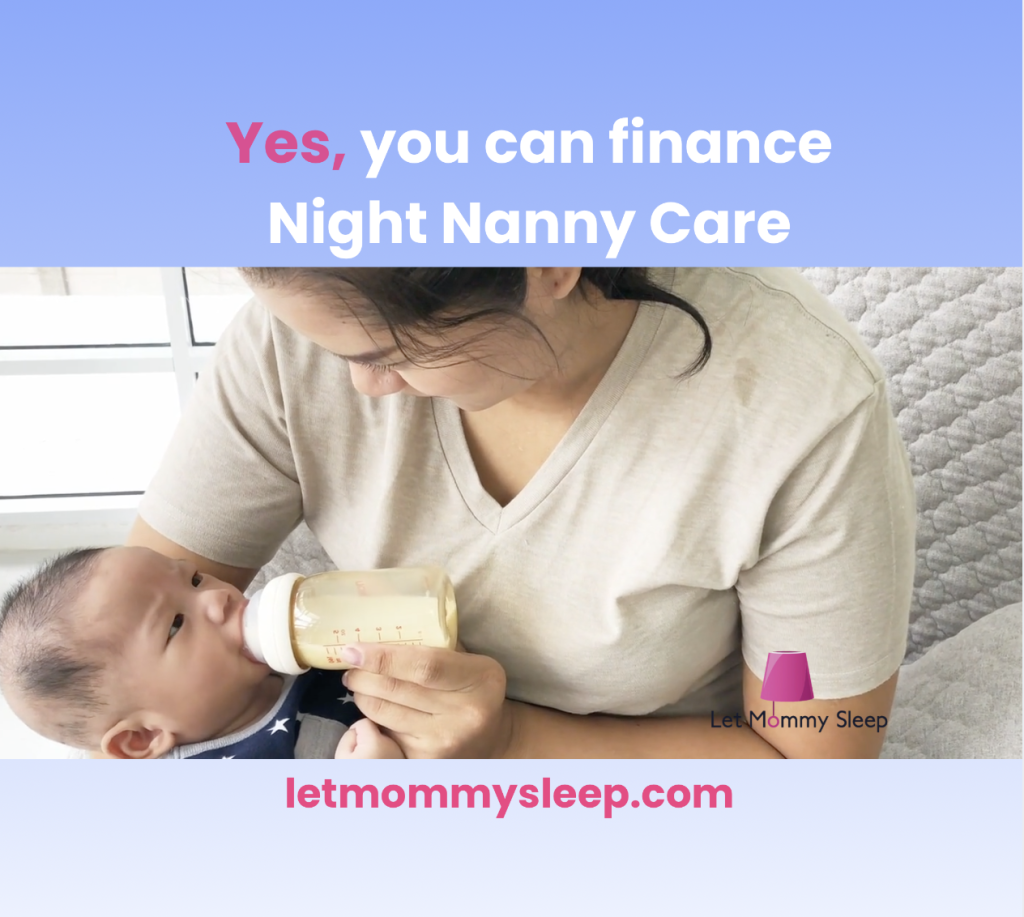
Let Mommy Sleep offers pay-over-time financing through Affirm for overnight newborn care packages of 7, 14, or 21 nights. Financing options include 6 to 36 months of payments with 0% interest when you qualify. Checking your rate does not affect your credit.
The line from sleep deprivation to poor health, accidents and even postpartum depression is clear. Further, the demands of multiple children or working outside the home making this line even stronger! That’s why we’re thrilled to announce an innovative solution for new families: pay over time financing for overnight newborn care.
When families finance night nanny and night doula care, high-quality postpartum care becomes more accessible…and we all benefit!
Why Financing Matters
Sleep isn’t a luxury, it’s a health need. Professional overnight care helps prevent burnout, supports breastfeeding and protects parents’ physical and mental health during the most demanding weeks of newborn life. Let Mommy Sleep’s registered nurses and postpartum doulas have supported thousands of families since 2010 so we have personally seen the evidence between sleep and better health outcomes.
Our goal has always been to normalize postpartum care and, now with pay-over-time options, to make it attainable for more parents.
How Does it Work?
Let Mommy Sleep has partnered with Affirm to offer no interest/pay-over-time options for our night nanny and night nurse services. This means that every location can bring families more flexibility and access to postpartum care with packages of 7, 14 or 21 nights. Choose your Let Mommy Sleep location here. Pay over time options include 6-36 months of payments, in addition to 0% interest when you qualify. The financing process is very simple and you may already be familiar with it if you’ve used Klarna or Affirm to shop on Amazon, Wal-Mart or other major retailers. Here’s what happens:
Once you confirm night nanny care, you’ll receive a service agreement that includes payment options.
You can then click “Affirm” and choose how many nights of care you’d like.
Then click the Affirm payment option that works best for you. Checking Affirm does not affect your credit.
If you don’t see an option you like, or change your mind, that’s okay you can always hit the back button!
What happens if I don’t use all the nights in my package? As always, we’ll be happy to refund any unused nights but families need to know there is a 10% service fee on refunds to cover the cost of our platform.
Can I gift these packages? Sure, so long as they are in a Let Mommy Sleep service area. Overnight newborn care or a 1 time visit with a Registered Nurse is a meaningful, practical gift for new parents.
Can I decide to pay over time even though I’m already a client? Sure! You can always use new or different payment options anytime. We are here to help you do what is easiest and most helpful for your family!
Besides financing, how else can families pay for night nanny or night doula care? Along with Affirm financing, families often use baby registry funds or employer wellness benefits to offset postpartum care costs. Some insurance plans will cover newborn or postpartum doula services with documentation from a healthcare provider. Learn more in Will Insurance to Cover my Night Nanny or Doula?
As the only nationwide service with an RN Advisory Board and certified postpartum doulas, Let Mommy Sleep remains committed to improving maternal health outcomes. We will never stop fighting to normalize postpartum care and making overnight newborn care accessible to as many people as possible.
A Birthing Friendly Hospital is a CMS designation awarded to hospitals that meet evidence-based standards for maternal care quality and equity. It is the first federal designation of its kind and a meaningful marker when choosing where to deliver.
In June 2022 the White House unveiled the Blueprint for Addressing the Maternal Health Crisis, which aims for better birth outcomes. Successes of the blueprint include expanded Medicaid postpartum coverage and increased access to care. One of the most powerful improvements however, is the Birthing-Friendly Hospital designation.
Why You Want a Birthing Friendly Hospital – the Facts
Over 80% of pregnancy deaths are preventable. And the rates of death for Black women are significantly higher than rates for White and Hispanic women. (CDC) To help address this, the Centers for Medicare & Medicaid Services (CMS) has implemented the Birthing Friendly Hospital designation.
From the CMS website: “Birthing-Friendly” is the first-ever CMS designation to describe high-quality maternity care. To earn the designation, hospitals and health systems:
Participated in a statewide or national perinatal quality improvement collaborative program; and
Implemented evidence-based quality interventions in hospital settings to improve maternal health.
Hospitals and health systems also continually report their progress to the CMS Hospital Inpatient Quality Reporting (IQR) Program.
Further, the designation as a Birthing Friendly Hospital involves meeting certain criteria that focus on patient-centered care, evidence-based practices, and equity. As CMS Administrator Chiquita Brooks-LaSure says: As maternal health inequities persist across the nation, the designation offers a tangible marker of the evidence-based practices that hospitals and health systems can pursue to close these gaps and ultimately provide the kind of care all expectant parents deserve.
Evidence-Based Practices: Hospitals must implement evidence-based protocols for labor and delivery, including practices that are known to improve maternal outcomes and reduce complications.
Equitable Care: Addressing disparities in maternal health outcomes by providing equitable access to care, particularly for marginalized and underserved communities. Additionally, this includes respectful and culturally competent care
Continuous Improvement: Committing to ongoing quality improvement initiatives that monitor outcomes, address any disparities or issues identified, and strive for excellence in maternal health care delivery.
Delivery Rooms: Fully stocked with life saving equipment for use during labor, delivery and postpartum. (VP Harris, July 10, 2024)
Click the Map to find a Birthing Friendly Hospital
Postpartum Doulas and Newborn Care at Home
Choosing a birthing friendly hospital is one of the best decisions you can make for your birth experience. The decisions you make in the days after you arrive home matter just as much. Let Mommy Sleep’s Registered Nurses and certified newborn care specialists are available the night you get home. Find your team here.
For help once parents arrive home with their newborns, postpartum check-ups are now covered by Medicaid in 44 states. On the other hand, families that do not participate in Medicaid, postpartum care is typically an out-of-pocket expense. However, there are options to make the cost of a night nanny or postpartum doula more manageable and while it is rare, it is worth exploring if your own health insurance will cover a night nanny.
There is still more work to be done for better birth and postpartum outcomes, but expanded access and life-saving interventions are steps in the right direction.