Blog


The role of the Registered Nurse or Newborn Care Provider is to feed, soothe, bathe, change & provide all other gentle care to baby through the night.

Home » Page 31

Sleep Deprivation- How to Keep From Losing Your Mind

Guest post by Jeanne Faulkner, Registered Nurse and author of the book “Common Sense Pregnancy” In this blog, Sleep Deprivation- How to Keep From Losing Your Mind Jeanne shares wisdom for new parents.

I just launched my new book, Common Sense Pregnancy ((Random House/Ten Speed Press, June 2015)) and Let Mommy Sleep is helping spread the word that it’s time to start new conversations about pregnancy and parenthood. I wrote Common Sense Pregnancy because women are desperate for honest, straightforward, reassuring information that helps them navigate increasingly complicated prenatal care, labor and birth practices.

They’re looking for support as they learn to parent in challenging times. Much of what’s on book shelves now makes women feel like pregnancy is high risk and dangerous when in truth, for most women it’s a normal and healthy experience. The truth is most parents (even the quirkiest among us) do a darn, good job raising their children. That’s why we need new books, fresh conversations and most of all, reassurance that everything’s going to be OK.

Sleep Deprivation- How to Keep From Losing Your Mind

Common Sense Pregnancy is part medical guide (I’m a registered nurse with decades of maternal health experience), part advice column (I write Fit Pregnancy’s Ask The Labor Nurse blog and I’m Senior Writer for EveryMotherCounts.org), and part memoir (I’m the mother of four and lived to write about it). Most of my book is about pregnancy, prenatal care, labor and birth, but I also discuss issues that are right up Let Mommy Sleep’s alley – breastfeeding, postpartum care, newborn issues and a topic that’s at the top of almost every expectant parent’s worry list – sleep deprivation. I write about it in Chapter 15 and I’ll share an excerpt here:

Sleep Deprivation- How to Keep From Losing Your Mind

You’re in for a bit of a shock. Babies rule the night. They’re totally clueless about circadian rhythms and not the least bit concerned about waking you up at all hours to make you do things for them. This goes on for months and months – sometimes even years. Everyone will tell you: Sleep when the baby sleeps. That’s excellent advice the first week or so but not so great after that, because few of us have the privilege of putting everything in life on hold while we take a nap.

We each react differently to interrupted and reduced sleep. Some can suck it up and function fairly well: others fall apart completely. They can’t think, can’t deal and can’t function at all. These parents have to create coping strategies to keep from losing their minds.

First, consider this: while it may seem like you’re never getting to sleep, the reality is you’re almost certainly getting some. Even if your baby is an every-two-hour feeder, that gorgeous hour and a half between feedings might drop you into the deepest sleep of your life. The body is amazing in its ability to grab what it needs, and once you get into a nighttime groove, you’ll find the experience of having bizarre wake-sleep cycles less jolting.

This isn’t working…

If the fatigue is too extreme, then you and your partner need to make some changes – like alternating nights where one of you gets to sleep all night in a room away from the baby while the other handles night duties. If you’re breastfeeding, this could involve your partner giving the baby a bottle of pumped milk or having dad bring baby in for a quick nighttime feeding, then scooping her back up and away while you go back to sleep.

Even when I’d been a nightshift nurse for quite some time, I found newborn sleep deprivation to be a special kind of awful. I didn’t really mind nursing the baby in the middle of the night. In fact, I found it mighty cozy. It was the getting out of bed to get the crying baby that I just plain hated. So my husband and I would share the load. He’d get up and get the baby, do a diaper change, and tuck the baby in bed next to me. After she nursed, my husband would take the baby back to her bassinet. Neither one of us was gaining any extra sleep that way, but this system worked for us.

What about Mental Health?

For some women, sleep deprivation leads to serious changes in mental health – aka postpartum depression and even psychosis. This is serious business and must be addressed by professionals – your doctor or midwife plus a psychologist, psychiatrist, or other mental health professional with experience dealing with postpartum mothers.

I had a touch of this with baby number one. I couldn’t fall sleep for days after having my daughter and was on high alert and pulsing with hormones, and my mind just would not let up. I’d doze a bit here and there but never really dropped off. One day, I was sitting in the rocker with my baby in my arms. She was asleep and I was exhausted. Suddenly, white horses were flying in her window. Whatever was left of my logical mind knew for certain this wasn’t real, but all my other senses said, “My oh my, that sure is a lot of flying horses. I wonder what happens when they land.” That was my only real break from reality, and shortly after the horses arrived, I was finally able to fall asleep.

This chapter offers lots of advice about sleep and the rest of the book covers all the information you need as you launch your life into parenthood. Bottom line? It’s going to be OK.

Emergency Preparedness with Infants

updated June 27, 2025 – When an emergency strikes, the Department of Homeland Security and FEMA suggest having food, water and other supplies to last your family for at least 72 hours (3 days). Our night nurses and postpartum doulas describe the essentials of newborn, infant and baby care items in Emergency Preparedness with Infants.

Emergency Preparedness with Infants – What are the top 3 baby care items to have?

Newborns and infants need to have emergency items on hand in case unexpected situations arise. The top 3 items are:

  1. diapers – A general guideline is one diaper for every two hours
  2. feeding items – bottles, formula, purified water if not exclusively breastfeeding
  3. baby wipes – Wipes clean you baby and can also be used to clean surfaces if there are no other options.

Our team of night nurses and doulas recommend a good old fashioned hiking backpack so your arms are free to carry or wear your infant. Diaper bags might not work as you’ll need room to carry water and enough clothing and diapers for 3 days.

Emergency Preparedness for Baby

A 72 Hour Emergency Kit for Babies should contain the following:

  • 2 gallons of nursery or purified water
  • At least 1 gallon of water per day for nursing moms.
  • 1 large, sealed can of powdered formula (more than enough for 3 days) or consider powdered formula packets to save space
  • Formula scoop if not included with the can
  • 3-5 bottles with nipples
  • Baby food pouches (for babies that eat solids)
  • Finger food such as Cheerios or “puffs” (for babies that eat solids)
  • Camping stove (may be necessary to sterilize and clean bottles.)
  • 30-35 diapers – here is how to know if your newborn or infant is eating enough
  • 2 large containers of disposable baby wipes (for diapering needs and also for cleaning spills, hands, and bodies.)
  • Diaper rash cream
  • Diaper changing pad
  • 2 boxes of sealable plastic bags (like Ziploc) for storing dirty diapers and laundry
  • Pacifiers (if your baby uses them)
  • Clothing:
    • 5 seasonal changes of clothes (combination of onesies, pants, footed one-piece outfits)
    • 3 footed pajamas
    • Sleep sack or swaddle
    • Seasonal items such as hats, socks and mittens.
  • Swaddle blanket
  • 5-6 burp clothes or washcloths
  • Travel baby kit with baby soap, lotion, shampoo
  • Hand sanitizer
  • Baby Tylenol or Motrin
  • Warm emergency blanket
  • Hand warmers
  • 2-3 small toys
Emergency Preparedness with Infants
Emergency Preparedness with Infants chart showing 3 days of food and supplies

Emergency Preparedness with Infants: More than Supplies

Planning for possible scenarios like power outages, natural disasters, or evacuations is also critical. Know your local evacuation routes and shelters, especially those equipped to help families with infants. Also consider how you would safely transport your baby in an emergency, and keep a car seat and baby carrier readily accessible. In addition to having a plan in place, being prepared with the “how” as well as the “what” not only keeps your family and baby safe but also helps reduce panic during unpredictable situations.

Knowing how to help in emergencies such as choking or a burn is also a form of preparation. To get the basics of these skills visit Essential First Aid Skills for New Parents

If you need to leave your home your go-bag should have: 

  • Baby carrier (wearing a baby can be invaluable)
  • Additional toys
  • Stroller
  • Jacket, coat or bunting depending on the weather 

Emergency Preparedness with Infants – Don’t Forget Yourself!

In an emergency it’s natural for parents to put all their efforts toward their newborns and infants but we want to be sure that you have the nutrition and preps you need to stay strong and focused too.

Water – All major resources recommend storing 1 gallon of water per day, per adult. So at least 3 gallons of water for 72 hours for drinking and daily tasks like brushing our teeth.

Phone Charger – Your phone is a crucial means of communication. It can keep also keep toddlers and older kids calm and occupied during an emergency. A solar powered phone charger can give you peace of mind if electricity goes out or is unavailable.

Disinfecting Wipes – Emergency situations might mean being in close quarters with others. Sanitizing surfaces can help keep everyone healthy and clean.

Non- Perishable Food – Parents and adults need foods that won’t spoil to keep their energy up and stay strong. Power Bars, granola bars, canned fruits, canned meats and powdered milk are great examples.

Certified Night Nanny practicing emergency preparedness with Infants

As your family grows and changes, emergency preparedness kits will need to be updated. For example, a newborn would require a different diaper size, nipple, and clothing than a 10-month old. Check in on your 72-hour kit every 4-6 weeks to update, test or change out the items. And of course if you have twins or more than one child, your kit will be double in size.

For everyday safety when there’s not an emergency, visit Creating a Safe Nursery for Baby to create a babyproofed and healthy environment for your baby.

Preventing Falls to Keep Baby Safe

updated June 6, 2025 Falls are the most common cause of nonfatal injuries for children ages 0 to 19. Almost every parent can recall a moment when their little one pulled up, wobbled, or suddenly fell down. It only takes an instant, a turn of the head or a distracted moment, for an accident to happen. The good news? This blog has tips on preventing falls to keep baby safe.

Preventing Falls to Keep Baby Safe

Mom of 3 Micaela Williamson remembers: “When my son was 7 months old, we took him to the zoo. With all the excitement of getting him in and out to see the animals, we forgot to buckle him back into his stroller. As I pushed the stroller down a hill, he slipped right out and landed on the asphalt.” Luckily he was okay but Micaela became vigilant about double checking the stroller strap.

Tips for Preventing Falls to Keep Baby Safe

  • When using baby gear; strollers, swings, and high chairs, always strap baby in correctly.
  • Never put infant swings, bouncy chairs, or seats such as the Bumbo chair on a high surface. Always put them on the floor.
  • Always keep one hand on baby and be attentive when baby is on a higher surface such as a bed or changing table. Even babies that cannot fully roll over can roll and fall off beds.
  • Secure and lock all windows, and since mobile young children love to climb, be sure to move chairs and furniture away from windows.
  • Install safety guards on any high stair railings or balconies that baby could fall through.
  • Babies and toddlers love stairs! Teach your child to go down the stairs backwards, and keep staircases free of clutter. Also, always use safety gates around stairs. When installing a safety gate at the top of the stairs, it is recommended to always attach the gate to the wall.
  • This one is controversial but the AAP recommends parents pass on baby walkers and use stable activity centers instead. In fact, the American Academy of Pediatrics (AAP) has called for a ban on the manufacture and sale of baby walkers with wheels.  This is because they put children at risk for injury and have no clear benefits.
  • When using a stroller, avoid stairs or escalators. If stairs cannot be avoided, be sure to remove baby from the stroller. Then, have another individual carry the stroller or baby on the stairs.
  • Babywearing is convenient and soothing for babies. Be certain to follow the manufacturer’s instructions when using a carrier or wrap.  

The world is a new and exciting place for babies to explore, but by taking these precautions, you can make it a whole lot safer. For more info on preventing falls, visit Creating a Safe Nursery

What is a Dreamfeed?


updated September 29, 2023 – When seeking ways to help baby sleep longer stretches at night, parents commonly hear advice that they must offer baby a “dreamfeed.” But what is a Dreamfeed? And how does it work? Here’s how this scheduled feeding technique works:

What is a Dreamfeed: Key Takeaways

  • A dreamfeed is a feeding you give your newborn between 10–11 PM while they’re still drowsy or asleep.
  • Helps align your baby’s longer stretches of sleep with your bedtime, giving both of you more rest.
  • Minimizes surprise middle of the night wake ups because your baby is fed and satisfied after the dreamfeed.
  • The technique doesn’t guarantee longer stretches every night, but it can be a helpful tool for families trying to foster longer, more consolidated sleep.

What is a Dreamfeed? A feed between 10pm-11pm

Popularized by the widely respected Baby Whisperer newborn care books, to dreamfeed means to simply bring breast or bottle to baby’s lips in the later evening hour. This is usually around 10pm-11pm when baby is still asleep. Why 10-11?

  • This timing allows the baby to receive nourishment that sustains them for a few hours and potentially reduce the frequency of nighttime awakenings.
  • If your typical time going to bed is 10pm, you have some assurance that you’ll get a decent block of sleep before the next wake up.
  • If your baby last ate at 7pm, 10-11 would be the next timeframe in which they are typically hungry so you are getting to them before they fully wake up, making getting them “back down” easier.

In other words, because your baby is full and comfortable in the 10pm hour, they’ll sleep longer while you’re sleeping.

Your infant will instinctually take in what their little body needs at that time, usually just a few ounces. Postpartum doula’s know this technique works because there is also no reason to burp or wake since they will be relaxed enough to go back to sleep after the feed.

In other words, feeding baby before you go to sleep means that you might eliminate one of the middle-of-the-night feeds. You know you’re going to get up anyway to feed your newborn so why not take the guesswork out of it and help both of you sleep for a long stretch.

You can do quick diaper change after the feed too just to be sure your infant is comfortable and clean!

Tip from the Night Nurses: Folks like to say that wipe warmers are a waste of money but we disagree!

That cold wipe during a dreamfeed diaper change can startle your newborn or infant! Invest the 15 bucks to make sure those wipes are warm and soothing…keeping your baby in a sleepy state of mind overnight!

What is a Dreamfeed?

Why Does A Dreamfeed Work?

Without a dreamfeed, a baby who typically feeds in the 7 PM hour may awakens naturally from hunger at midnight, 1 AM or 2 AM. Giving a feed in the 10:00 hour allows parents to head off this hunger and may allow baby to sleep longer, usually until 4 AM. By giving a feed at 10 PM, instead of waiting to see when baby naturally wakes to feed, we are shifting baby’s asleep hours to match parents, so parents get a long stretch of sleep themselves.

The addition of these few extra ounces will eliminate the physical need for baby to awaken for the first overnight feed. This is because we’re taking waking from true hunger out of the equation.  As your infant gets older and able to physically sleep 10-12 hours without needing to eat (which is only decided on by families and their pediatrician) the dreamfeed provides that final feed of the night to take babies through to their natural wake up time in the morning.

How a typical dreamfeed schedule works:

6:30 or 7:00 PM:  Baby’s last feed before baby’s bedtime
10:00 PM:  bring bottle/breast to baby while baby is still asleep (dreamfeed)…this is before your bedtime
10:20 PM: quick diaper change and back to sleep 

While certainly not a necessity, the dreamfeed is a simple extension of baby’s natural 3 hour feeding cycle. It works whether parents are breastfeeding or formula feeding.  

Sleepy newborn having dreamfeed given by dad.

What is a Dreamfeed? – Sleeping through the Night

If you want to pave the way for long, independent stretches of sleep overnight, Let Mommy Sleep night nannnies and doulas recommend a dreamfeed. In addition to helping parents sleep well, another benefit of dreamfeeding is gently weaning the amount of milk or formula that is taken in during the overnight hours. Because your infant is consuming exactly the amount their body wants in such a relaxed state, you’ll see that they naturally take in less and less.

If you would like more information on baby sleeping through the night, these step-by-step instructions may help.

What is a Dreamfeed? – Are there any Downsides?

A dreamfeed is a safe and useful tool to keep in your baby sleep toolbelt but be aware that there are few potential downsides.

  1. Dreamfeeding could potentially be challenging if you’re breastfeeding because your nursing relationship is built on supply and demand. Skipping or adjusting nighttime feedings might mean that your supply needs a few days to catch up to the new dreamfeed time of 10pm, if you’ve never done feeds at that time before.
  2. We Woke a Sleeping Baby!: If your baby was in a spot where they are waking up anyway at 10pm, they might actually fully wake up during the feeding. So while you might have been prepared for a 10-15 minute dreamfeed session, you’re baby might now be wide awake. You would have been doing this 45 minutes of feeding anyway but it’s good to know that the dreamfeed might not be perfect every time.

How big is a newborn’s stomach?

Updated June 2025 One of the challenges of being a new parent is that newborns and infants seem to be eating constantly, and yet we worry they’re not getting enough! Newborn breastfeeding and bottle feeding is frequent because our babies can only take in small amounts at a time. This blog answers the question… How big is a newborn’s stomach?

Key Takeaways: How Big Is a Newborn’s Stomach?

  • Newborns have tiny stomachs so they eat very small amounts but very frequently (8–12 times per 24 hours) in the first days after birth.
  • Breastfeeding works on supply and demand, so time at the breast, feeding or not, helps establish strong milk supply.
  • Bottle‑fed newborns require small, slow feeds, sometimes up to 45 minutes.
  • Checking how many wet and soiled diapers your newborn has each day is a way to monitor how much your baby is eating.
  • It’s never wrong to contact your pediatrician if you’re worried about infant feeding.

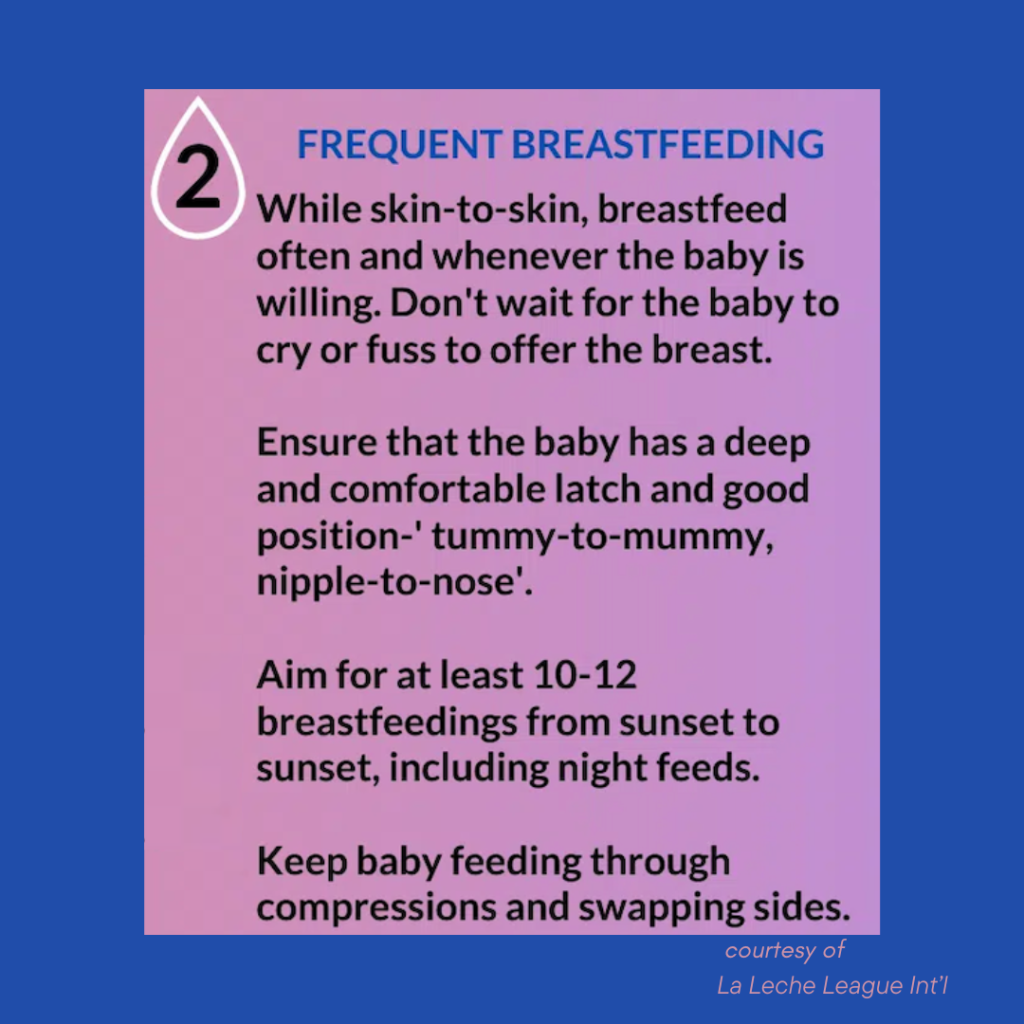
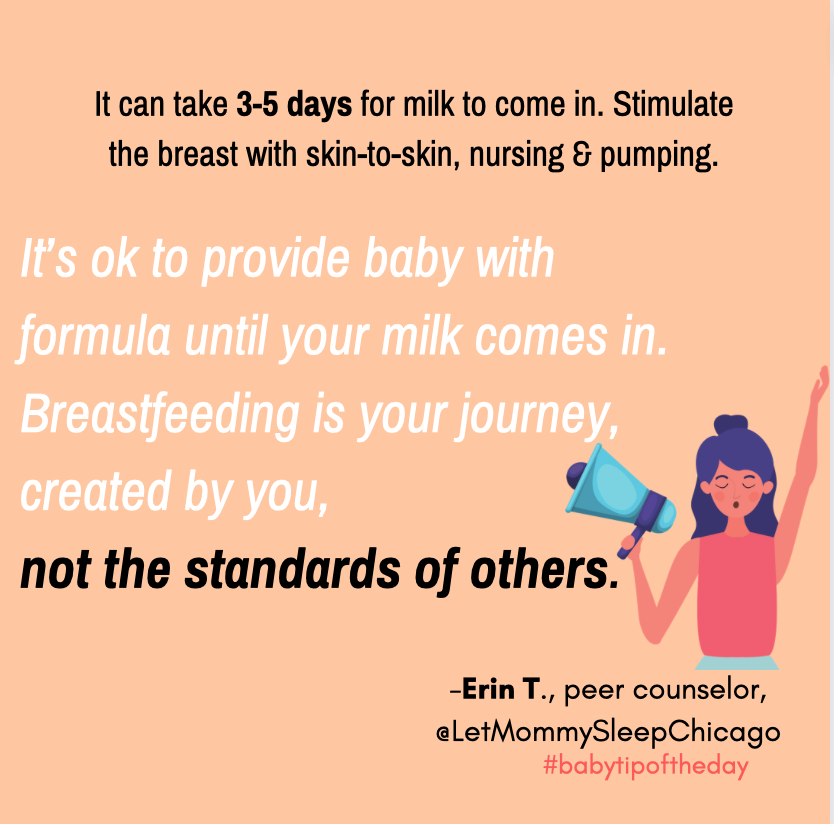
Small, frequent feeds, sometimes up to 12 feeds per 24 hour period, are the norm in baby’s first weeks. If it feels like, All I’m doing is nursing/feeding! then you’re doing everything right. For breastfeeding moms, milk typically “comes in” on about day four or five after baby’s birth but the fact is that colostrum and milk are already being received before then.

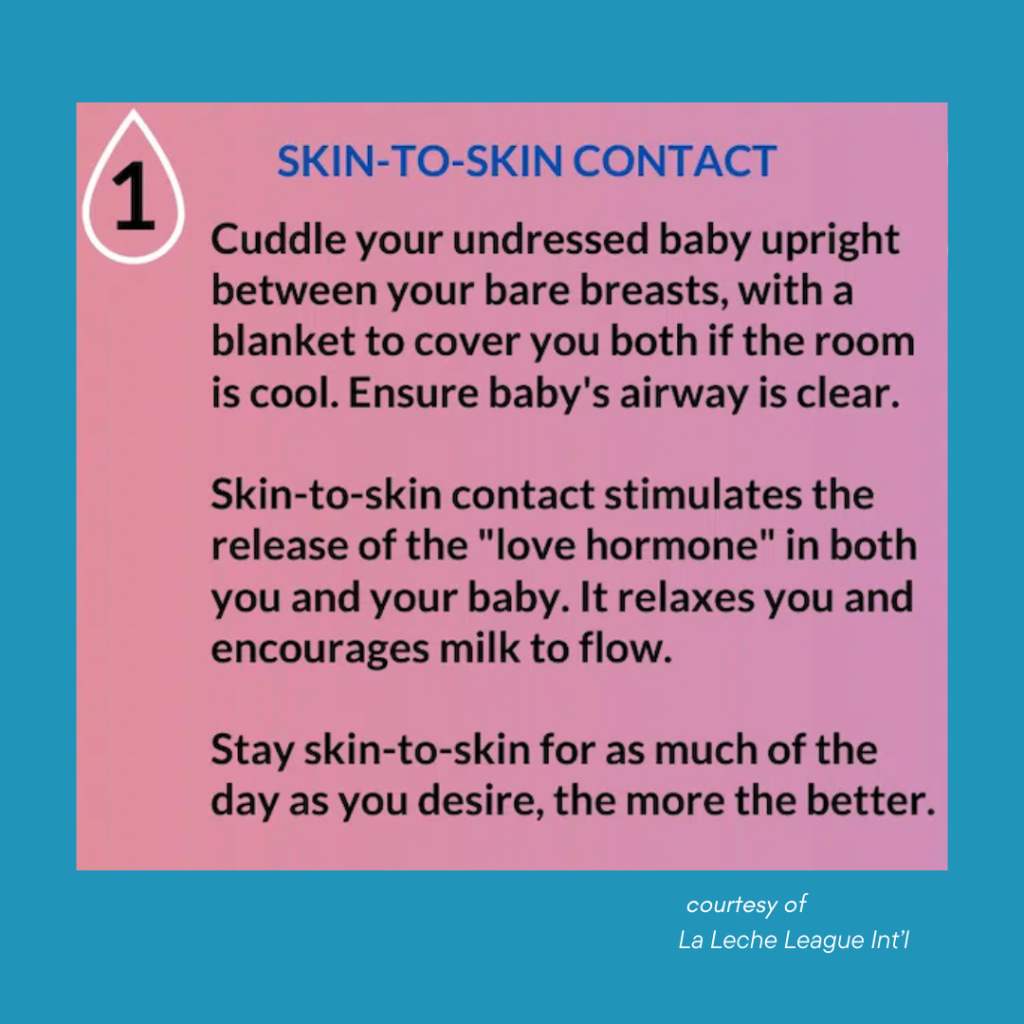
Remember, baby only drinks a cherry-sized amount at each feed. Also skin to skin contact with baby not only stimulates interest in feeding, but helps both baby and parents in so many other healthy ways! And if you want to increase milk supply, it’s important to note that breastfeeding works on supply and demand, so time at the breast is never wasted.

As our postpartum doula and night nannies like to say: if it seems like the newborn feeding schedule is that you’re always feeding your newborn, you’re doing it right!

While there are teams of experts in newborn care, your baby is the real expert in how much to eat! Here’s the volume of an average newborn’s stomach so you can feel prepared for just how little and how frequently babies eat.

How big is a newborn’s stomach? – a Visual

How big is a newborn's stomach?
How big is a newborn’s stomach?

Things to Remember

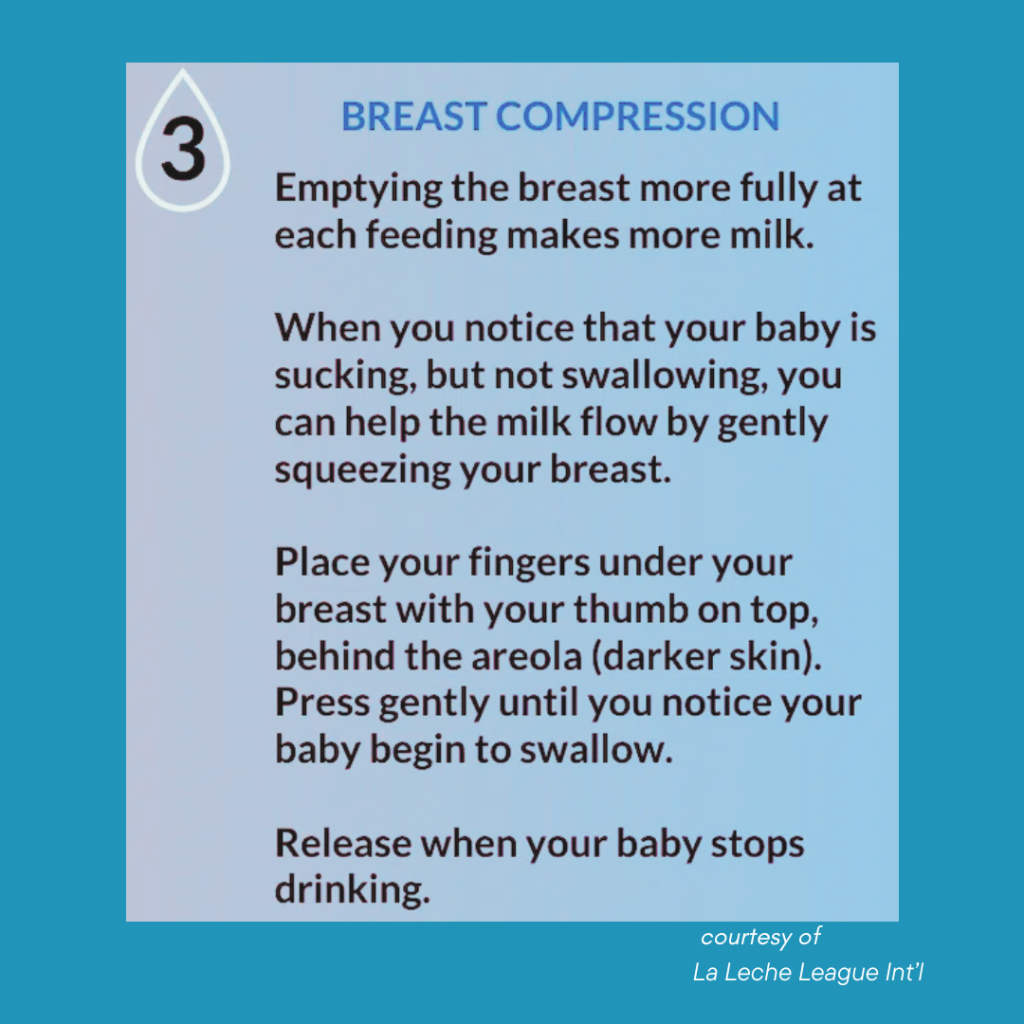
  • Breastfeeding: One particular piece of advice to remember if you’re nursing is that milk doesn’t “come in” right away. It may seem like baby is not getting enough to eat but skin to skin contact and sucking are what helps milk to come in. Remember, breastmilk works on supply and demand so it makes sense that your milk supply might to be less than what your newborn needs at first. The supply will catch up as your baby keeps demanding! Of course ask your pediatrician or lactation counselor if you’re worried. If you have other questions about early breast or bottle feeding, Your First Night Home may help.
  • Bottle feeding: For bottle feeding families, remember that the speed of the bottle’s nipple and amount of formula will effect how much your newborn takes in. Don’t be tempted to have baby drain the pre-made hospital bottles from the hospital. They contain WAY TOO MUCH formula for a newborn. It’s easy to overfeed from a bottle because baby can’t naturally start and stop the flow. So even though our urge might be to feed, feed, feed and not waste any formula, refer to the chart above to give baby the correct amount of food.
  • Sleep: Conventional wisdom still tells us to tank baby up to sleep. This can be true for older babies (and adults!) but as our postpartum doula and night nanny team tell parents, overfeeding does not help newborns sleep soundly. In fact, feeding too much usually causes unnecessary spit up and gastric discomfort. It’s perfectly normal for newborns to eat every 2 and then stretch to every 3 hours in their first weeks.
  • The Pediatrician: Take comfort in knowing that in addition to the doctors and nurses, your pediatrician will visit while baby is in the hospital or birthing center. You’ll also visit the ped’s office again when baby is between 3 and 5 days old. The hospital won’t allow discharge unless they’re completely confident that your family is healthy and well. You have a whole team looking out for baby.

How big is a newborn’s stomach? – Wet and Soiled Diapers

It might be hard to know how much baby is consuming during each feeding session. That’s okay though because you’ll always be able to monitor how much is coming out. All babies are different, but tracking the amount of wet and soiled diapers each day for the first week is another way to monitor that baby is feeding well. You can also always drop in to your pediatrician for a weight check. As Jessica Simpson, SLP and IBCLC in Loudoun County VA likes to say: “The wets match the day of life!”

how many Newborn Diapers to expect

Birth weight, prematurity, congestion or growth spurts can all contribute to feeding behavior for baby at any given time. And all of these things are normal. On the whole, weight gain, diaper output and baby appearing satisfied and content after feeding are all the infants way of telling you they’re happy no matter how big their stomach is. By following your newborn’s lead and contacting the pediatrician with any concerns, you can ensure your baby is eating enough.

If you’d like more information about what to expect in the first days home with your newborn, visit Your First Week Home with Baby: Ultimate Q&A.