Blog


The role of the Registered Nurse or Newborn Care Provider is to feed, soothe, bathe, change & provide all other gentle care to baby through the night.

Home » Page 31

What’s Cord Blood Banking?

updated November 1, 2025

The umbilical cord and placenta are rich in stem cells that can save lives, and they can be accessed and donated after giving birth. With a little preparation, parents can choose to donate their baby’s cord blood, where it may one day help treat someone with leukemia, sickle cell disease or another serious illness.

What Is Cord Blood?

Cord blood is the blood that remains in your baby’s umbilical cord and placenta after delivery. It’s rich in hematopoietic stem cells, which can regenerate blood and immune systems. These cells are used in transplants for more than 80 diseases, including cancers, blood disorders and immune deficiencies.

What's Cord Blood Banking? Public health experts explain

Donating Cord Blood

Public cord blood donation is safe, free and helps the most possible people. In order to donate, you must deliver your baby at a participating cord blood collection facility. Once you’ve given consent in advance, a trained professional collects the cord blood after birth. The process is painless, takes just a few minutes and doesn’t interfere with delivery or care.

Here’s how donation typically works:

  1. Enroll before 34 weeks of pregnancy. You’ll complete a brief health history and consent form.
  2. Deliver at a participating hospital. Public banking programs are most often available at large medical centers and teaching hospitals (check the link above).
  3. Collection and testing. After delivery, cord blood is collected, tested for infectious and genetic diseases and stored only if it meets strict safety and quality standards.
  4. Added to the national registry. Approved units are listed in the Be The Match® or National Marrow Donor Program registry, available to any compatible patient in need.

Parents should know that if delayed umbilical cord clamping is part of their routine care, or if they choose delayed cord clamping, the volume of their donation would be significantly smaller and possibly not eligible for collection. This is a conversation to have with your primary care physician before birth but either way, labor and delivery will be safe and adhere to the parent’s wishes.

Occasionally a unit doesn’t qualify for transplant use; it may have become un-sterile during the collection process or the donor tested positive for an infectious disease for example. In these cases, the blood may still be used for medical research, helping scientists better understand blood and immune system diseases.

How to Donate Cord Blood – To learn where and how to donate, visit National Marrow Donor Program® and Be The Match® or ask your hospital if they participate in public collection.

In Case You’re Wondering About Private Banking

You may have seen ads suggesting that you “bank” your baby’s cord blood privately for your own family’s future use. Private cord blood banks are for-profit companies that store cord blood for your family only, for an initial processing fee plus annual storage fees. Most experts agree it’s not medically necessary in the vast majority of cases. As the American College of Obstetricians and Gynecologists (ACOG): Umbilical Cord Blood Banking states, The routine collection and storage of umbilical cord blood with a private cord blood bank is not supported by the available evidence.

Here’s why:

  • A child’s own cord blood can’t be used to treat leukemia or a genetic disease, since it carries the same genetic material.
  • Private storage is rarely used in practice, the odds of a family ever needing it are extremely low.
  • Public donation is free and can help anyone in need (including you or your baby!) right now.

There are times when private banking may be recommended, such as if a sibling or close relative already has a high-risk pediatric cancer treatable with stem cells, severe blood disorder or immune deficiency or metabolic disorder.

The Bottom Line

  • Public donation: Free, evidence-based, saves lives, supported by AAP and ACOG.
  • Private banking: Expensive, rarely used, only advisable or families with specific medical needs.
  • Cord blood collection is safe and happens after your baby is born.

There are many decisions to make about your birth and immediate postpartum phase. We suggest contacting your hospital to understand their visitor policy, reading Why You Want a Birthing Friendly Hospital and staying updated on evidence-based vaccine guidance. Donating cord blood is one of those quiet, generous acts that can have a life-changing impact for someone you may never meet, but who will never forget your gift.

My Milk Isn’t In…What Do I Do?

updated, Sept 1, 2025 – Jessica Haupt, RN, BSN, IBCLC provides answers to nursing with low production, or what seems like low-production but is actually quite normal! Tips on increasing your milk production and a successful breastfeeding relationship are below in My Milk Isn’t In…What Do I Do?

Jessica Haupt, RN, BSN, IBCLC answers breastfeeding questions

One of the challenges you might encounter just home from the hospital is what feels like a lack of milk production.  While this is normal, you should know that frequent breastfeeding where it seems like “nothing is coming out” is typical as milk comes in Of course we want to be sure baby is gaining weight and satisfied after feeds as well and there are things you can do to be sure your newborn is okay.

My Milk Isn’t In…What Do I Do?

  • Remember that days 3-5 are the hardest. I get the most calls during these days. Babies get hungrier and milk can often be delayed until day 5. There are many reasons for delayed milk, but the most common seem to be c-section, complicated delivery or obesity.
  • Have someone take care of YOU, so YOU can take care of feeding the baby. Stress, hunger and sleep deprivation delay lactation even more. Friends and family can be overwhelming, but it’s important to have someone whose job is to look after you. They need to be sure you’re eating, drinking and resting. (Not adding more work!)
  • No time at the breast is wasted time. By the same token, no drop of colostrum or milk is wasted. The benefits of breast milk can be transferred to baby drop by drop, even if the baby is primarily getting nutrition from formula. Every bit of milk you can give your child, even if it seems like a small amount, is a benefit to the baby’s health. And remember, baby’s belly is only the size of a walnut to an apricot on days 3-7.
  • Sleep when you can – As many studies report, Collected milk volume was strongly positively correlated to stage N3 sleep duration. Expressing milk is still important but restorative sleep aids healing and milk production.

Helping Milk to Come in is as Easy as 1-2-3!

What Else Can I Do if My Milk Isn’t In?

  • Don’t wait until baby is screaming angry to put the baby to the breast. Learn the early signs of hunger and put the baby skin to skin with mom before latching. Non-feeding caregivers should also learn the signs of hunger. That fresh set of eyes if you’re too tired can make a huge difference.
  • Skin to skin works! The World Health Organization,(WHO) found that: 90 minutes of uninterrupted skin-to-skin contact after birth, maximizes the chance for your baby and you to be physically ready to breastfeed.
  • Skin to skin is for dads and partners too! Additionally, dads and partners also benefit from the intimacy of skin to skin while helping baby grow and get stronger.
  • Check your latch If your nipples are sore, reach out to lactation consultants, La Leche, or your birthing center or hospital for resources and to get a latch check.
  • Utilize the benefits of hand expression! In the early days, you may find hand expression more productive than pumping. Good hand expression can be used during nursing as well and can help stimulate let down. Stanford has a great video on this.
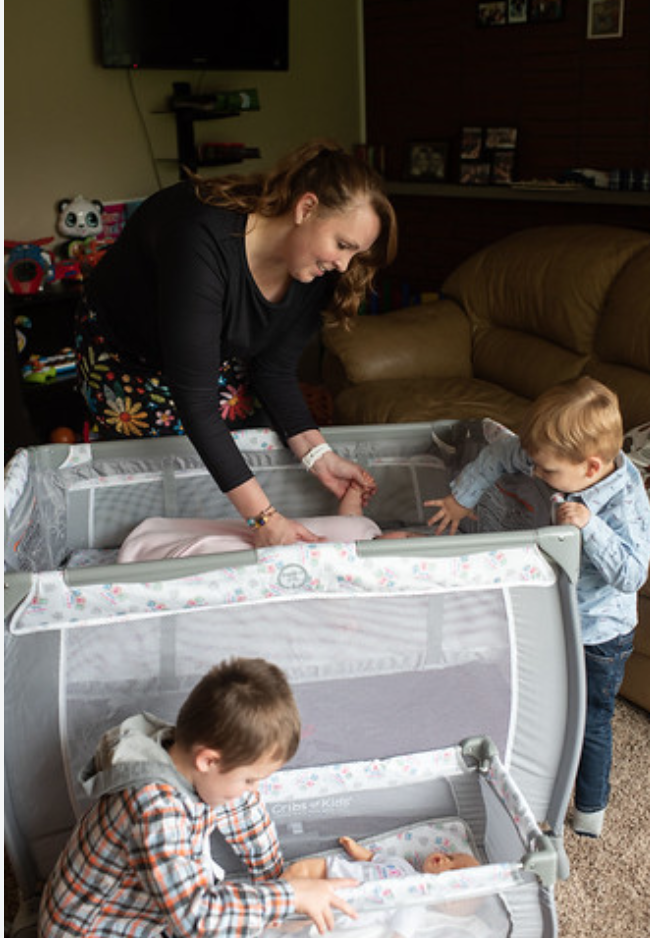
newborn twins waiting to breastfeed

What if I do All That and Breastfeeding is Still Not Working?

If all else fails and you’re just not producing, consider alternative methods of supplementation other than a bottle while waiting out until days 5-7, when lactation usually onsets. Spoon or cup feeding formula can be used. A needle-less syringe can be used for finger feeding. Supplemental systems like those by pupolar brand Medela with a nipple shield can keep the baby nursing while also promoting breastfeeding. 

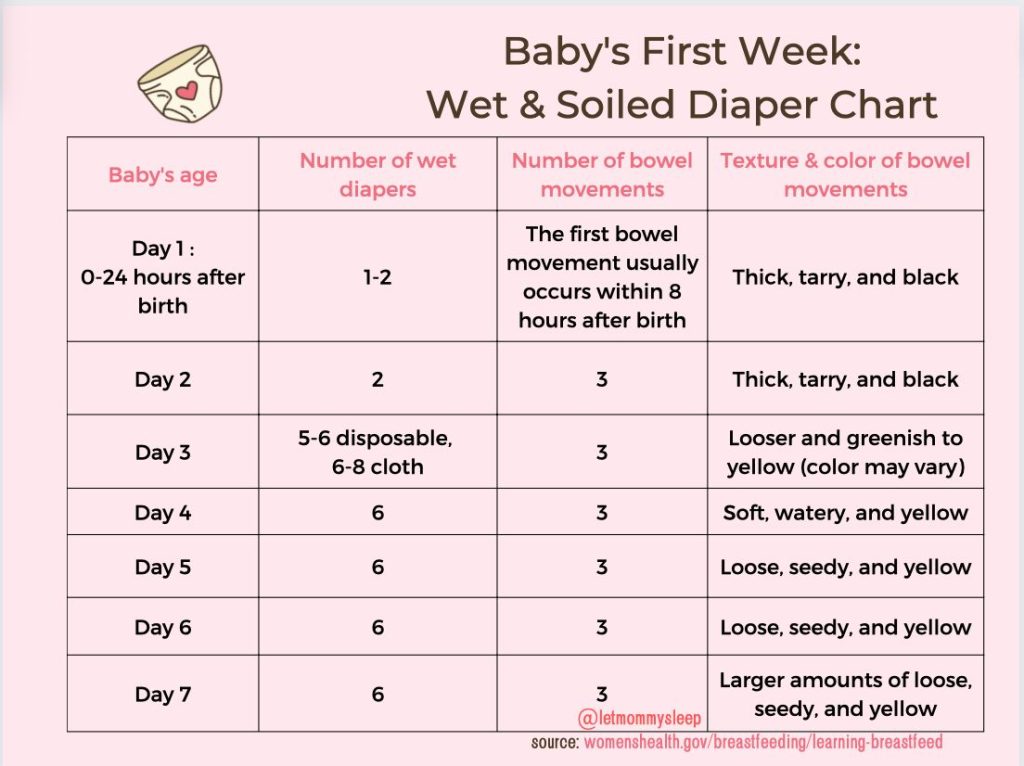
And finally – I end with a quote from a wonderful midwife that I know: “Formula is not the devil’s spit”. While breast is best, a baby who is screaming from hunger is a baby that needs to be fed. Listen to your pediatrician – if the baby is not making enough wet diapers, losing or not gaining weight, supplementation is necessary and does not mean that breastfeeding is over forever.

My Milk Isn't In…What Do I Do?
My Milk Isn’t In…What Do I Do?

My Milk Isn’t In…What Do I Do? – How Can I Get More Breastfeeding Help?

Private Lactation Counselors – Jessica Haupt who wrote this article, is a Registered Nurse with a Bachelor of Science in Nursing and an Internationally Board Certified Lactation Consultant (IBCLC). You can find a lactation counselor by asking your pediatrician, hospital or birthing center or us!

Video Help – Check out the International Breastfeeding Centre’s excellent library of resources.

LLL – We also love La Leche League for support and evidence-based information and to answer the question, My Milk Isn’t In…What Do I Do?

If you’d like to learn more about what to expect during the first weeks home with your baby, read Your First Week Home with Baby: Ultimate Q&A.

breastfeeding is your journey created by you
Peer Counselor advice from LMS Chicago

We’re one of Forbes Best Shark Tank Rejects!

Updated March 2, 2022- Yes it’s true…we’re one of Forbes Best Shark Tank Rejects!

This weekend Forbes featured “16 Entrepreneurs on the Rise Rejected by Shark Tank.” As a small business you just have to apply to be on this powerhouse of a show. The chances of actually getting on though are less than getting accepted into Harvard -roughly 1 in 4,000!  For small business owners, the challenges are also more than just the awful waiting game; the time it takes to audition is time away from running the business and sharing your financial information isn’t exactly comfortable. All this aside, applying to be in the Tank has become an American entrepreneurial dream.  For these reasons,  we’ll take the next best thing…being a Shark Tank Reject!  

If you’d like to see our pitch about taking our overnight baby nurse service nationwide, click the slide below.   And if you’re Marc, Kevin, Lori, Daymond, Barbara or Robert, we forgive you.

Though we didn’t make a deal, Let Mommy Sleep Franchising has become a reality and we are now expanding nationally. Learn more about night nanny services here. Add Newborn & Postpartum Care to Your Existing Business or contact us to bring LMS to your town.

We're one of Forbes Best Shark Tank Rejects!
Shark Tank Rejects!

Down Syndrome: How Can Parents Be More Inclusive?

Archived Post – March 21st is World Down Syndrome Day and many parents wonder how they can educate their young neurotypical children about Down Syndrome and be more inclusive themselves. Alejandra Hall of the Animated Child in Manassas, VA, an inclusive play space for all children, and Amanda, mom to an 18 month old with DS answer this question in Down Syndrome: How Can Parents Be More Inclusive?

Down Syndrome: How Can Parents Be More Inclusive?

Down Syndrome: How Can Parents Be More Inclusive?

Alejandra, Owner of Inclusive Playspace:

Now that you’ve had your second baby every play date is made for two. Planning and coordinating meet-ups with other mommies with two or more children is just part of the fray. Or is it? What if that second child your friend had is born with Down syndrome? How do you set and keep a play date that you feel wholly unprepared for?

You include that new sibling regardless of the diagnosis and ask questions about how you can make it inclusive.  The best way to find inclusive play is to set and keep play dates with children with developmental delays in your own community. It’s that simple! Animated Child is one such inclusive hands-on exploration center.

This World Down Syndrome Day theme,”#MyFriendsMyCommunity“ encourages friends to keep play dates with all families and communities to be inclusive. When in doubt just ask questions, at the very least it will start a dialogue. 

Amanda, Mom of 18 month Old

Welcome to Motherhood!  Whether it is your first time or you are building a large family, a new baby brings new challenges.  Each new baby is unique and comes with their own set of joys, and struggles.  Thank goodness they are so cute!

When my youngest arrived, my son was rushed to the NICU and placed on a ventilator.  For the first three weeks he was fighting for his life.  At this time, he was also diagnosed with Down Syndrome.  He spent six weeks in the NICU, half of my maternity leave.  When he arrived home, it was appointments with doctors, specialists and therapists.  Juggling a baby with medical concerns takes a toll on a mom, and her career.  If this is your second child, then you are anxious about giving your first attention so that they don’t feel left out. 

Days are spent juggling a family, career and your children.  It is long hours driving between appointments and in waiting rooms, hours worrying about a new diagnosis, more hours researching and reading to be a step ahead, and then juggling another child who is not #2 but an equal to their sibling.  Whew!  You cannot go this alone, and something will have to give.  You need a team, mine is Team MacIsaac.  It includes family, friends, and professionals that are supportive and trustworthy. 

How Can Parents Be More Inclusive?

If you’re having a party or want to create your own inclusive play space, you can:

  • incorporate a mix of physical and sensory activities
  • ensure accessibility with ramps and smooth surfacing
  • ensure there are quiet areas available
  • offer parallel play opportunities to foster social interaction for children of all abilities. For example, offer an area with building blocks, where children can play independently but still be together.

Motherhood is not a competition, but a community.  The same is for support of children with Down Syndrome.  This World Down Syndrome Day the theme is my friends, my community; come on out and support your community.

To learn more about Down Syndrome, please visit The National Down Syndrome Society. And if we can help, contact us anytime!

Best Age for Newborn Photos

Your baby will be gorgeous no matter what age, but the first two weeks are ideal for newborn photography. Babies are still curled and sleepy, making those classic posed shots easier to achieve. That said, beautiful newborn images can be captured anytime up to three months and you have not missed your window.

Best Age for Newborn Photos

Best Age for Newborn Photos

Getting baby pictures can be quite an undertaking when it comes to traffic and nap schedules. And when you consider that parents JUST had a baby, asking them to leave the house at that point is a really big deal…especially when you find out that a newborn session can take up to 3 hours!

A good photographer will be able to get beautiful images of any baby, no matter how old they are. The ultimate decision of when those images are taken should be up to the parents, not the photographer.  The newborn stage is up to 3 months of age so parents have time to decide.

Why do most newborn photographers say that images should be taken within the first two weeks of baby’s life? 

There are a few reasons:

1.  As soon as babies are born, they want to uncurl and spread out:  The older they get the more active they become, so the first 2 weeks of baby’s life is the easiest time to get these sweet curled up shots we imagine when we think of newborn photography.

2. Babies can wake easily:  Because very young babies are able to get into a deep sleep a little easier than older babies, they are less apt to wake because of their startle reflex.  The advantage of photographing babies when they are very young is that once they are in a deep sleep, they usually stay there.

3. Positioning.  As I mentioned earlier, once babies enter the world they start uncurling and taking up more space.  As they grow they don’t want to be squished up anymore!  It can make getting the perfect shot a little harder but should not prevent your photographer from getting beautiful images of your sweet new baby.   While there are some advantages to having photos taken early in the very early weeks of baby’s life, we can get lovely images no matter what baby’s age.  

I will never forget a new momma who called me on the verge of tears because a photographer told her that she missed her window to get newborn pictures of her baby and that photographer refused to take the session.  I was so mad for that mom. Her child was barely 20 days old!  So don’t let anyone make you feel like you missed anything.  You are doing a great job and we can get great images for you to treasure.   -Dorie Howell, Newborn & Family Photographer in Northern VA

Be sure to bookmark 50 Things to Do in the First Year once you feel like venturing out with baby! And if you need some support overnight, the Let Mommy Sleep team of night, nanny, and newborn care specialists is here for you. Find your local team!