
Your Newborn and Postpartum Questions Answered: Expert Advice from Let Mommy Sleep
The first few months with your newborn are full of questions and sometimes you just need a quick, trusted answer. At Let Mommy Sleep, our nurses and night nannies have guided thousands of parents through newborn care and postpartum recovery. The guide below, Your Newborn and Postpartum Questions Answered: Expert Advice from Let Mommy Sleep, answers the most common niche questions that are a little harder to find, giving you practical, evidence-based advice you can use tonight.

How do I transition my newborn from swaddle to sleep sack?
Start when your baby shows signs of rolling. For each sleep, swaddle with one arm free and then both arms free eventually replacing the swaddle with a sleep sack. Start gradually eventually transitioning to all naps and nighttime sleep, keeping bedtime routines consistent. Always ensure the sleep sack fits snugly around the shoulders but leaves room for leg movement. Learn How to Swaddle Like a Pro
Extra tips:
- Introduce a familiar sleep cue, like white noise or a small swaddle blanket for comfort.
- Night Nurse Cathy, RN suggests: “Monitor for startle reflexes during the transition so you can gently calm baby if they seem like they might wake up.”
What should I do if my 6-week-old has a sleep regression?
Shorter naps and more night waking are common around six weeks. The “sleepy newborn” stage is over and babies are more alert. Keep bedtime consistent, offer calm nighttime interactions and stick to predictable feeding routines.
Real life advice: You’ll hear plenty about wake windows and “good habits,” but at this age, biology calls the shots. After 15 years providing infant sleep support we can tell you that at 6 weeks, your baby’s sleep patterns are still developing and inconsistency is completely normal. Gentle routines are fine, but there’s no need to actively train anything because your baby simply isn’t ready, and that’s okay.
How can I shower safely with a newborn at home?
Place your baby in a secure bassinet nearby and gather all supplies before you shower. Use a non-slip mat and keep your phone within reach for emergencies. Showering right after your baby is fed, changed, and settled helps make it easier and safer.
How to prevent nipple pain during cluster feeding?
Apply lanolin or expressed breast milk after feeds, rotate feeding positions every 2–3 feeds and keep sessions short and frequent during clusters. Ensure your baby is latched deeply with the entire areola in their mouth.
Extra tips:
- Warm compresses can provide relief.
- Monitor for tongue-tie or latch issues. Read What’s Tongue Tie? for more information.
Can I swaddle my baby if they have reflux?
Yes, but ensure hips and legs are free to move. Avoid tight swaddling around the chest and always place the baby on their back to sleep. The key to swaddling when baby has reflux is to ensure that they have been held upright for 20-30 minutes after feeding before swaddling and placing them down to sleep.
You can also try one of the 6 Easy Tips to Help Your Reflux Baby
How to track diaper output without obsessing?
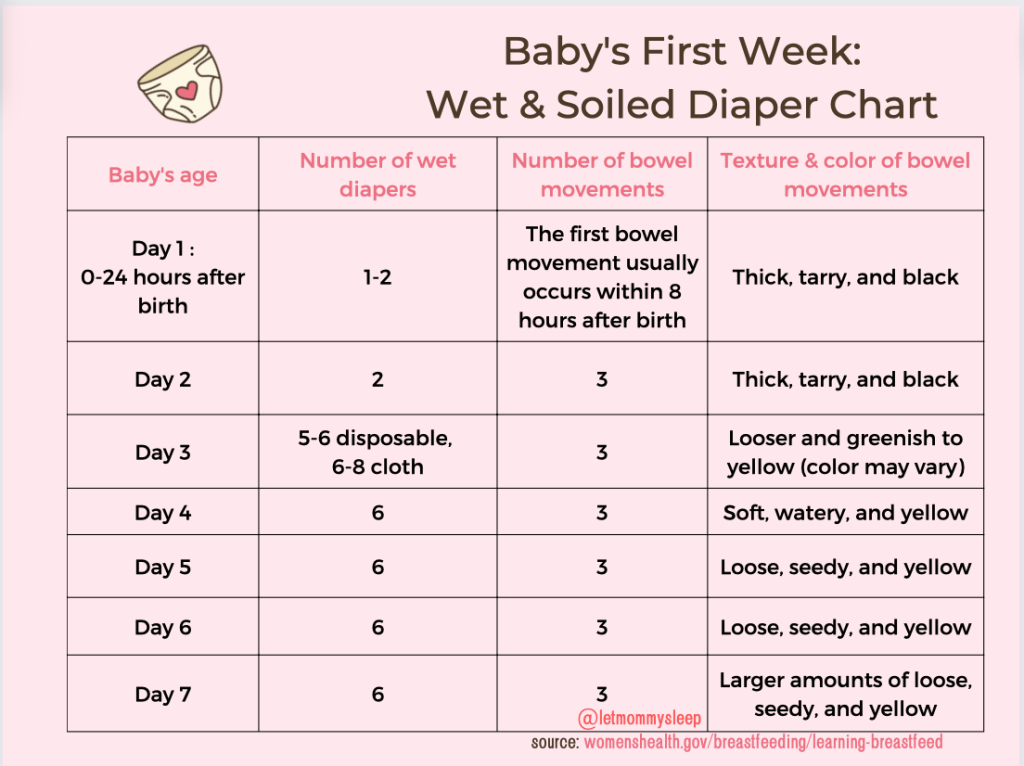
Log diapers in a simple chart once per day, noting wet and dirty counts. Healthy newborns have between 6–10 wet diapers and 3–4 stools per day beginning when they are 3 days old. Focus on patterns rather than individual diapers. Keeping an eat/sleep/diaper log can help you track baby’s output with certainty.
Best white noise volume for newborn sleep?
Play white noise at 50–60 decibels, at least six feet from the crib. Continuous loops or timers can soothe your baby, but avoid shushing directly in baby’s ear when holding them.
How do I know if my 5-month-old is ready for sleep training?
A 5-month-old may be ready for gentle sleep training when the pediatrician agrees, and when baby is getting enough calories during the day to safely reduce overnight feeds. At this stage, methods like “Ferber” or “Pick Up/Put Down” can help, but always follow your baby’s cues and comfort. Learn more about infant sleep in the Ultimate Guide to Baby Sleep Training.
How do I create a sleep training schedule for a 5–6 month old?
A 5–6 month old’s sleep training schedule works best with consistent wake times, naps and bedtime routines. A sample daily schedule might look like this:
- Morning: wake baby at consistent time, feed, play
- Mid-morning nap: ~1–1.5 hours
- Afternoon nap: ~1–1.5 hours
- Late afternoon nap: optional, 30–45 min
- Evening: consistent bedtime routine and final feed
Adjust based on your baby’s cues, and start with small increments if transitioning from co-sleeping or irregular naps. Read the full Sample Schedule for a 5-6 Month Old Baby.
How can I help my baby sleep longer at night without feeding every 2 hours?
Feeing every 2 hours is developmentally normal for many newborns. If the pediatrician agrees your baby is ready to sleep longer stretches overnight, make sure they are getting full daytime feeds and use consistent bedtime cues like a bath, lullaby or white noise. Keep nighttime feeds quiet and low-stimulation.
How do I burp a baby after every feeding if I’m sleep-deprived?
Hold your baby upright on your shoulder for a few minutes and gently pat their back in a circular motion. Even one to two minutes can relieve discomfort and experimenting with different positions like sitting or laying across your lap can help. Try burping halfway through a long feed to reduce spit-ups. If you’re able, swap nighttime duties with your partner to avoid sleep deprivation. Sleep Deprivation and Postpartum Depression: Proven Tips to Help has more ideas.
How can I soothe a fussy newborn in the middle of the night?
Check your baby’s diaper, temperature and hunger first. Gentle swaddling, white noise and rocking can help, but avoid overstimulation, keeping interactions short and quiet. Fussiness overnight is completely normal and 12 Ways to Soothe Baby has more infant soothing ideas.
How to manage cluster feedings without losing sleep completely?
Plan for evening cluster feeding windows and if using formula or pumped milk, alternate caregivers when possible. If you’re nursing, keeping hydrated and snacking in advance supports your energy. Your partner can also do all the diaper changes and soothing baby back to sleep. Learn how to get more sleep in Sleep Hacks: 4 Tips to Maximize New Parents’ Sleep.
How do I handle a newborn who wakes after every 45 minutes?
Newborns may wake every 45 minutes either because they’re hungry or because they need help settling back to sleep. Make sure your baby has eaten enough and offer gentle soothing. Wait at least 20 minutes after feeding before placing them down to sleep so digestion doesn’t wake them.
Night Nurse Joy’s tip: Don’t be swayed by even the tiniest bottle! Our guide, How big is a newborn’s stomach? shows exactly how much your newborn can eat.
For more tips like these visit Your First Week Home with Baby: Ultimate Q&A. Visit NewbornCareCertified.com to learn about the academic standards and experience