Infant Pulse Oximetry: Owlet and More
Infant pulse oximeters like the Owlet monitor a baby’s heart rate and oxygen levels during sleep. The category has changed significantly in the past two years; some devices are now FDA-cleared for real-time vital sign readings, while the AAP’s guidance on SIDS-risk claims hasn’t changed at all. Here’s what parents and caregivers should actually know.
Many parents report these devices give real peace of mind, and the regulatory picture around them has shifted meaningfully since 2021, when some products were pulled from shelves over accuracy concerns. In late 2023, Owlet’s Dream Sock received FDA clearance to display real-time oxygen and heart rate readings, a first for a non-prescription consumer device in this category. So the landscape today looks different than it did even a year or two ago, and it’s worth understanding the current tiers before deciding what’s right for your family.
Infant Pulse Oximetry: What is it?
A pulse oximeter is a small, wearable device that measures how much oxygen is in the blood and how fast the heart is beating. Wearable devices for newborns notify parents and caregivers if babies’ heart rates or oxygen levels are out of the normal range. Parents of NICU babies might use a pulse oximeter at home because a premature baby’s lungs are often underdeveloped in the early weeks.
These devices are especially relevant for monitoring: premature infants, babies with respiratory issues, or infants recovering from illness.
The Three Tiers, as of Today
FDA-cleared, non-prescription devices — Owlet’s Dream Sock is currently the only device in this category cleared to display real-time oxygen and heart rate readings for healthy infants, without a prescription.
Prescription, medical-grade devices — Owlet’s BabySat is FDA-cleared specifically for babies a physician determines could benefit from at-home monitoring due to an underlying condition, such as apnea of prematurity or a respiratory or cardiac concern. A physician sets the normal range, and an alert sounds if a reading falls outside it.
Older or non-cleared products — some devices still on the market predate current FDA clearance standards. If you’re comparing options, checking a device’s current FDA status is worth the extra few minutes.
What FDA Clearance Means
FDA clearance addresses the accuracy of a device’s readings, not whether using one reduces SIDS risk. The AAP’s position on that second question hasn’t moved. In its 2022 safe sleep guidelines, the AAP specifically recommends against commercial devices that claim to reduce the risk of SIDS or other sleep-related deaths, noting that products marketed this way may create a false sense of security and lead to complacency around actual safe sleep practices.
Owlet itself draws the same line clearly:
“The AAP recommends avoiding the use of commercial devices that claim to reduce the risk of SIDS or other sleep-related deaths. BabySat is a prescription-only, medical pulse-oximeter device that is intended for babies that a healthcare provider determines could benefit from at-home monitoring while under the supervision of a physician. It is not intended to reduce the risk of SIDS or other sleep-related deaths, but will notify parents in real-time if their baby needs assistance and their pulse rate or oxygen saturation level falls too low or too high based on ranges set by their physician.”
In short: a pulse oximeter, even an FDA-cleared one, is a monitoring tool for a specific medical situation, not a substitute for safe sleep practices, and not something the AAP endorses as SIDS prevention.
- What do Pulse Oximeters do? They monitor a baby’s breathing and overall oxygenation, which is especially important for: premature infants, those with respiratory issues, or baby’s recovering from illness.
- Prescription Based– Many are available by prescription only. Prescriptions are for babies who may benefit from additional monitoring at home with a medical grade device.
- Physician Supervised – A physician sets the range of normal for pulse rate and oxygen saturation level. An alert sounds when your baby’s reading falls outside of these levels.
A pulse oximeter for a newborn is usually a wearable “sock” style device that wraps around baby’s foot and remains on while baby is asleep.

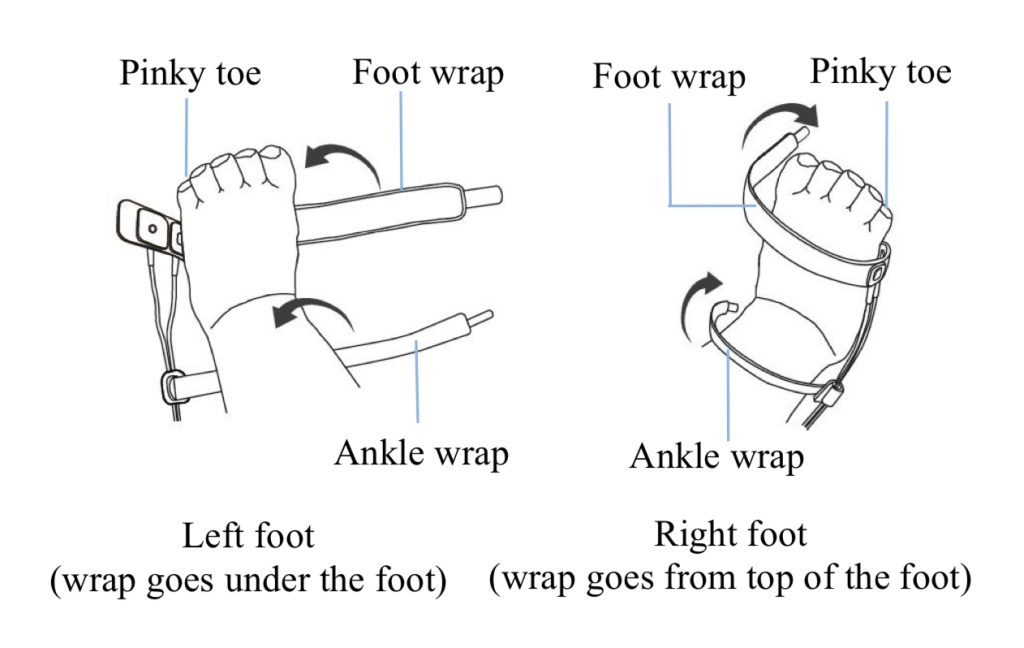
Remember to Use These Items Correctly
Pulse oximeters are essential for tracking your baby’s oxygen levels, but using them on a restless infant can be tricky and exhausting. Challenges like keeping the sensor in place and avoiding false alarms are common, especially when sleep-deprived. Safe, accurate pulse oximeter readings are just as important as the devices themselves and it’s important to know how to place them.
As always, decisions about your infant’s health should be made by you and your child’s primary care doctor.
Infant Pulse Oximetry- But What About Other Sleep Items?
Parents as well as postpartum doulas, night nannies and nurses want facts when it comes to safe sleep. So you should know that any product intended or marketed for infant sleep must meet a federal safety standard. While some have this standard, it’s important to note that rockers, pillows, nappers and inclined sleepers have not. These items have been banned for sale and recalled. This is because the product’s incline enables infants’ heads to slump forward. This compresses the trachea and blocks airflow. This leads to lack of oxygen.
Let Mommy Sleep’s overnight caregivers are trained in safe sleep and familiar with monitoring equipment. If your baby requires home monitoring, our team works alongside your medical care plan. Find your local team here.
Whether parents choose to use monitors or not, the safest way for your baby to sleep is alone, on a firm flat mattress without anything else in the crib. If you are hiring a postpartum doula, night nurse or newborn care specialist, ensure that they understand safe sleep practices. And if you have questions about apnea or newborn breathing in general, visit Newborn Breathing Patterns: What’s Normal?