PPD vs. Baby Blues: Know the Difference
updated August 1, 2025 – Feeling tearful or overwhelmed is common after giving birth, but if you notice these feelings lingering, it could be postpartum depression (PPD). You don’t have to navigate these feelings alone, and help is available once you know the difference between PPD vs. Baby Blues.
Key Takeaways for Knowing if it’s Postpartum Depression or Baby Blues
- Tearfulness, feeling overwhelmed and anxiety are normal after giving birth and peaks around Day 5.
- If symptoms like this that persist for more than 2 weeks, it’s time to check in with your doctor.
- PPD is highly treatable with the right support.
- Your partner or a trusted friend should learn the symptoms of PPD before baby arrives so they can look out for you.
- Rule of thumb: if you’re having thoughts that scare you, it’s time to contact a medical professional.
What’s the Difference Between PPD and the Baby Blues?
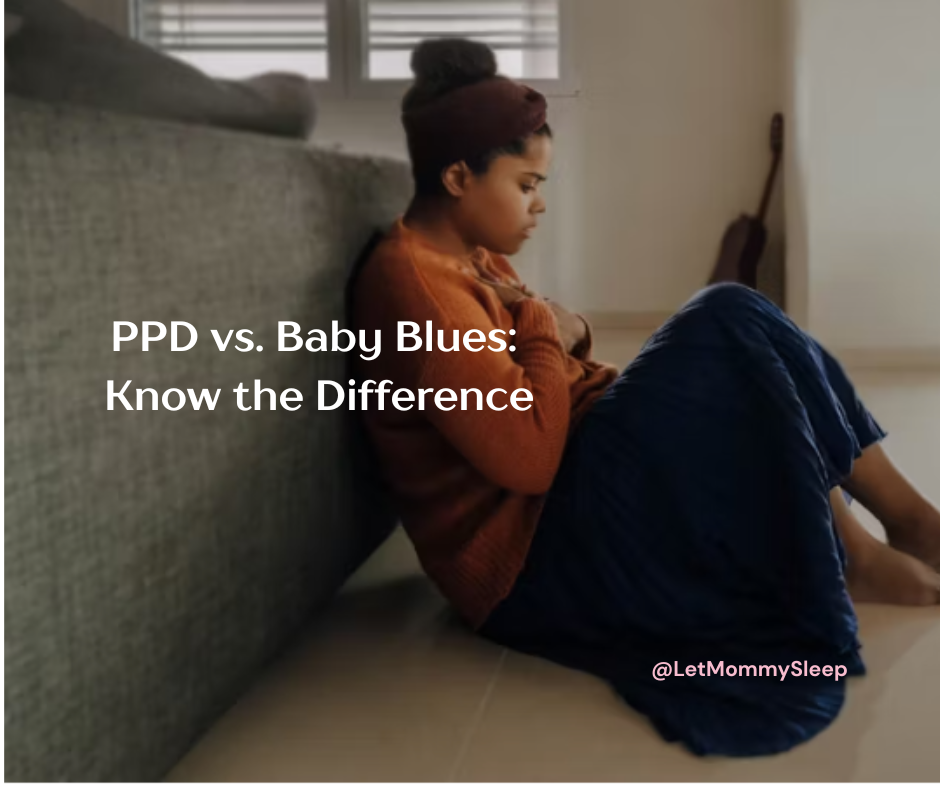
Mild depression with tearfulness, irritability, appetite changes and fatigue are common after giving birth and typically peak around the fifth day postpartum. These normal feelings are called the Baby Blues. However, if the feelings linger beyond two weeks or begin to increase in severity it maybe postpartum depression (PPD). Other red flags of PPD include poor bonding with your baby, racing thoughts or overwhelming guilt.
Postpartum depression affects up to 16% of new mothers and can even impact partners. Recognizing the signs early is key and the good news is that postpartum mood disorders such as PPD are highly treatable with therapy and medication.
Rule of thumb: if you’re having thoughts that scare you, it’s time to contact a medical professional.
Symptoms of PPD vs. Baby Blues
The immediate postpartum phase brings profound hormonal and life changes. Most parents adapt and recover after about a week. And yes, PPD can also affect partners. If sadness persists beyond two weeks however, postpartum depression (PPD) may be the cause.
Q: What are the symptoms of Baby Blues?
A: Baby Blues usually peak around day 4–5 after birth and last 1–2 weeks. Common signs include mood swings, tearfulness, irritability, anxiety, fatigue, trouble sleeping, appetite changes, and feeling overwhelmed. These feelings are temporary and a normal part of postpartum adjustment.
Q: What are the symptoms of postpartum depression (PPD)?
A: Postpartum depression can begin anytime in the first year after birth and lasts longer than typical Baby Blues. Common symptoms include: persistent sadness, frequent crying, irritability, anxiety or obsessive fears, fatigue, sleep or appetite changes, poor concentration, feelings of guilt or worthlessness, loss of interest in activities or self-care, psychomotor agitation or slowing, somatic complaints (like headaches or heart palpitations), feeling overwhelmed, and difficulty bonding with the baby.
More Detailed Symptoms of PPD
If these symptoms persist beyond 7-14 days they are symptoms of PPD. Some of these feelings, like fatigue for example, are normal in the first 2 weeks, but continuing or worsening is not typical.
- Persistent sadness
- Frequent crying, even about little things
- Poor concentration or indecisiveness
- Difficulty remembering things
- Feelings of worthlessness, inadequacy or guilt
- Irritability, crankiness
- Loss of interest in caring for oneself
- Not feeling up to doing everyday tasks
- Psychomotor agitation or retardation
- Fatigue, loss of energy
- Insomnia or hyperinsomnia
- Significant decrease or increase in appetite
- Anxiety manifested as bizarre thoughts and fears, such as obsessive thoughts of harm to the baby
- Feeling overwhelmed
- Somatic symptoms (headaches, chest pains, heart palpitations, numbness and hyperventilation)
- Poor bonding with the baby (no attachment), lack of interest in the baby, family or activities
- Loss of pleasure or interest in doing things one used to enjoy (including sex)
What if I think it’s PPD?
First off, postpartum depression is not a weakness, but an effect of the pregnancy. In fact, postpartum mood disorders are the most common medical complication of pregnancy. Once recognized, postpartum depression is treatable. In some cases, social support or therapy may be recommended and in others, medication is necessary to help mothers with PPD.
Q. What should I do if I think I have PPD?
A. First contact your primary care physician, OB/GYN or midwife, or mental health provider. They can screen, diagnose and recommend treatment for PPD. The treatment plan might include: psychotherapy, medications safe for breastfeeding and support groups or peer programs. Severe cases may require hospital or residential care.
Q. Is there anything I can do to stop PPD before it starts?
A. We can’t fully prevent postpartum depression from happening but there are are evidence-based strategies to reduce the risk or severity. These are:
- early identification of risk factors with mental health screening during pregnancy
- therapy for high-risk individuals
- receiving practical support with newborn and household care
- getting healthy sleep and nutrition. If you’re considering hiring help, you can read What’s a Night Nanny?
- having another trusted adult learn and understand the symptoms of PPD before your baby arrives. In other words, have your partner or someone else who knows you really well be on the look out for your mental health.
Even with these measures, some women may still develop PPD, so early recognition and professional intervention are essential. If you’re expecting and want to learn about common issues in the early days with baby, read Your First Week Home with Baby: Ultimate Q&A.
Categories
- Corporate Care & Partners
- COVID19 Archive
- En Espanol
- Expert Guides
- Hiring a Night Nanny
- Infant Safety
- Infant Sleep Hub
- Newborn Care
- Postpartum Health
- Twins & Multiples
- Work as a Night Doula
- zPost Archives